Understanding Radon Mitigation York PA: A Homeowner's Guide to Safer Air
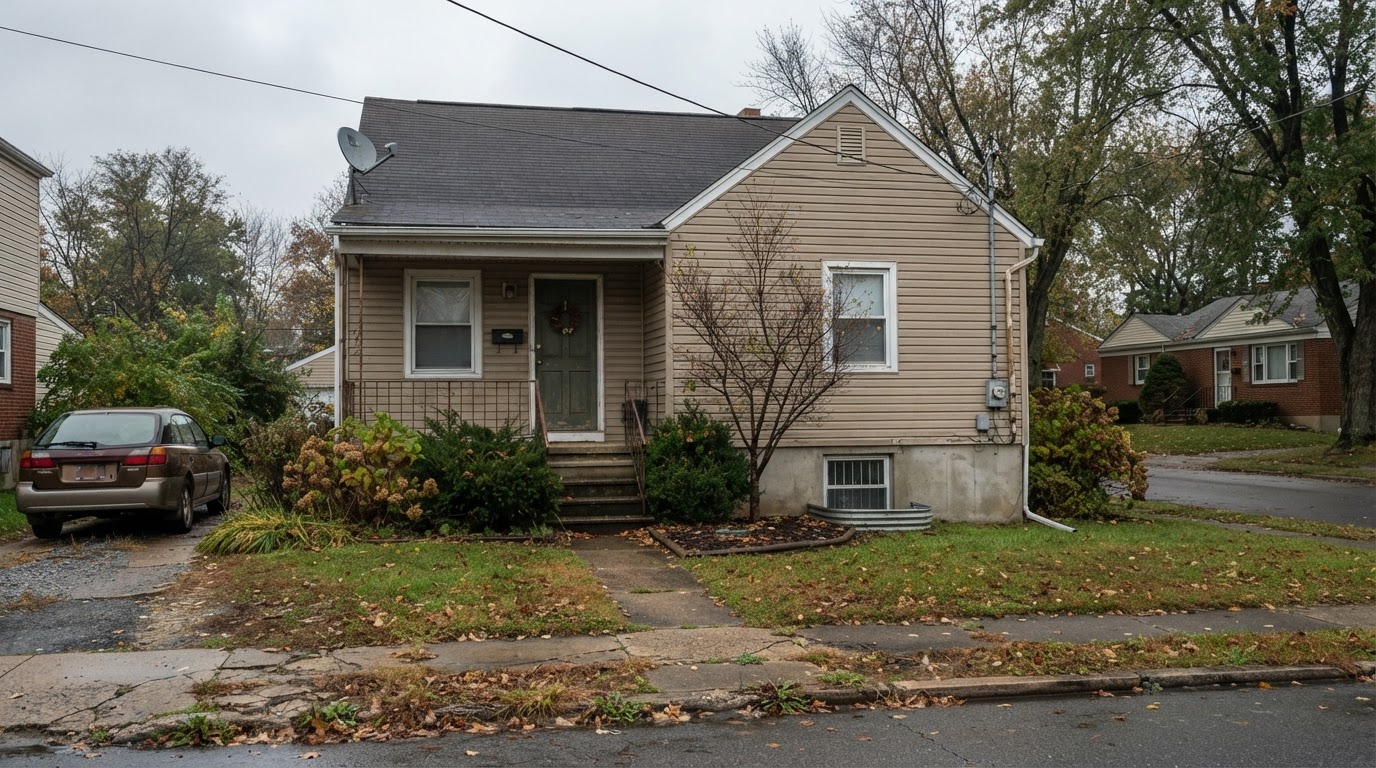
When I first moved into my home in York PA, the last thing on my mind was what might be seeping up from the soil beneath the basement slab. Radon is a radioactive gas that comes from the natural decay of uranium in the ground. It is invisible, odorless, and tasteless, yet it is the second leading cause of lung cancer in the United States according to the EPA. If you live in York PA, your risk is real because much of Pennsylvania sits on granite-rich geology that can produce elevated radon levels. I have spent years working with homeowners here, watching them go from worried confusion to confident action once they understand what radon mitigation involves.
Why Radon Testing Should Be Your First Step
Before you can even think about radon mitigation York PA, you have to know what you are dealing with. The EPA recommends testing every home, and I have seen too many people skip this step because they assume "my house is new" or "my neighbor tested fine." Radon levels vary from house to house, even on the same street, because of differences in soil, foundation cracks, and construction details. I once tested two identical townhomes built by the same builder in the same year. One had a radon level of 2.3 pCi/L, well below the EPA action guideline of 4.0 pCi/L. The other came back at 18.7 pCi/L. That is a huge difference, and it is why guessing is a bad idea.
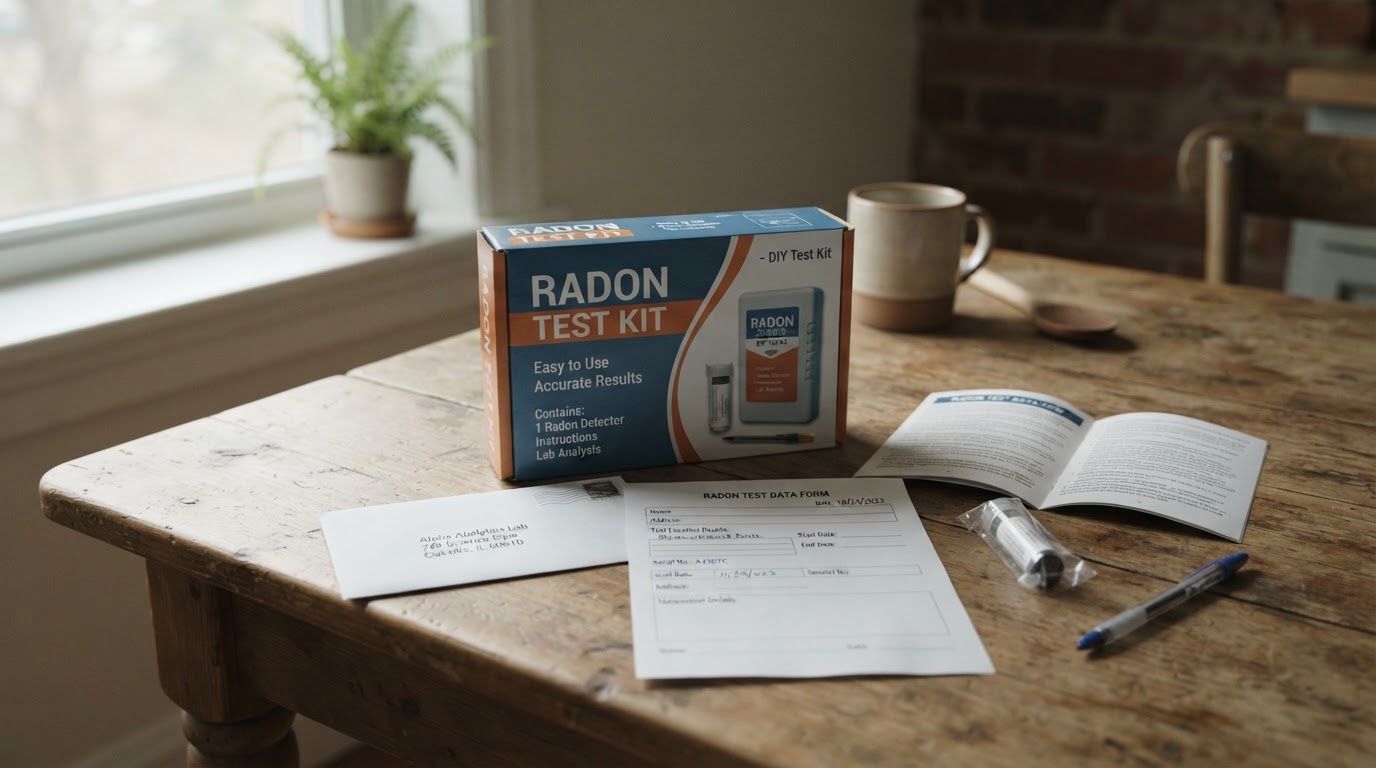
You have two main options for radon testing: short-term tests and long-term tests. A short-term radon test typically lasts two to seven days and gives you a quick snapshot. These are useful for a fast screening, but they can be affected by weather, open windows, and HVAC operation. I recommend starting with a short-term test, and if the result is at or above 4.0 pCi/L, follow up with a long-term radon test that runs for at least 90 days. A long-term test gives you an annual average and is much more reliable for deciding whether you need a radon reduction system. You can buy test kits at hardware stores or hire a certified radon mitigator to perform the measurement. The Pennsylvania Department of Environmental Protection also provides guidance on where to get approved test kits.
Reading Your Test Results
If your short-term test comes back above 4.0 pCi/L, do not panic. This is a common situation in York PA. The EPA says you should take action to reduce the level, but that does not mean you need to rip out your foundation. A radon level of 4.0 pCi/L in your home carries about the same lung cancer risk as having a chest X-ray every day. That is significant, but it is also manageable with professional mitigation. I have seen levels as high as 40 pCi/L reduced to below 2.0 pCi/L with a properly designed active soil depressurization system.
Many homeowners ask me if they can just seal cracks in the basement floor and call it done. The honest answer is no. Sealant alone is not enough because radon can also enter through gaps around pipes, sump pumps, and the joint where the wall meets the floor. The EPA and the National Radon Proficiency Program both emphasize that sealing is a supplement, not a primary mitigation method. The real solution is to create a pressure difference that pulls the radon from beneath the house and vents it safely above the roofline.
How Radon Mitigation Works
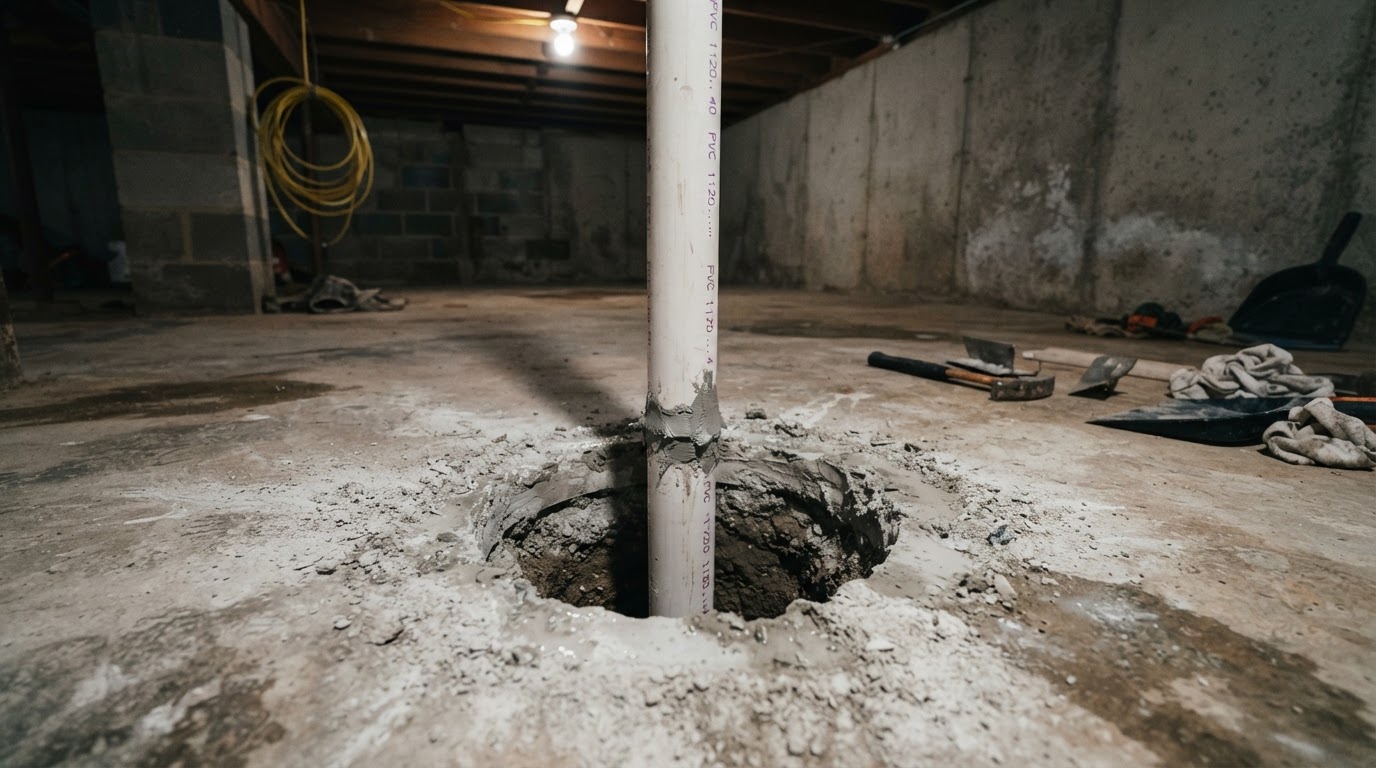
The most common and effective radon reduction system for homes in York PA is active soil depressurization, often called soil suction. It works by installing a pipe through the basement slab into the gravel or soil underneath. A radon fan is attached to that pipe, running continuously to create suction. The fan pulls the radon-laden air from beneath the slab and directs it through the pipe up to a point above the roof, where it is safely diluted into the outside air. A manometer is installed on the pipe so you can see at a glance that the system is operating correctly. If the manometer fluid is not level or is moving erratically, you know something is wrong.
There are two main types of soil suction: sub-slab depressurization and sub-membrane depressurization. Sub-slab depressurization is used when the basement floor is concrete over a porous layer of gravel or dirt. If the basement has a dirt floor or a plastic vapor barrier, a sub-membrane system may be more appropriate. I have also seen systems that combine both approaches in homes with mixed basement floor types. The choice depends on the specific foundation and soil conditions. A certified radon mitigator from the American Association of Radon Scientists and Technicians or the National Radon Proficiency Program will know which method fits your home.
What to Expect During Mitigation
If you decide to move forward with radon mitigation York PA, the process usually takes one to two days. The mitigator will first assess your home's construction, check for existing openings, and determine the best location for the suction pipe. They will cut a hole in the basement slab, dig a small pit, and place the pipe. The radon fan is typically installed in an attic or on the exterior of the house, never in the living space. The exhaust pipe must extend at least 10 feet above ground level and at least 2 feet above any window or door to prevent reentry. After installation, the system should be tested to confirm that it is reducing the radon level to below 4.0 pCi/L.
I always tell homeowners to do a follow-up long-term radon test after the system is installed. The EPA recommends testing every two years anyway, and a post-mitigation test gives you peace of mind. Some mitigators offer a continuous radon monitor that can provide real-time data, but a simple charcoal canister test kit works fine for verification. The key is to make sure the test is done during a period when the system has been running normally for at least 24 hours.
Cost and Value of Radon Mitigation
People often worry about the cost of radon mitigation York PA, and I understand. It can range from about $800 to $2,500 depending on the complexity of the installation, the type of foundation, and whether the home has a crawlspace or a finished basement. That might sound like a lot, but compare it to the cost of a continuous radon monitor or the health risks of doing nothing. In my experience, a well-installed radon reduction system adds value to the home. When you sell, you can show the buyer that the radon level is controlled, which is a strong selling point. Some buyers will walk away from a house with a known radon problem if there is no mitigation system in place.
I also want to mention that new homes in York PA can be built with radon-resistant construction techniques. These include a layer of gravel beneath the slab, a vapor barrier, a sealed sump or pipe stub, and a passive stack that can later be fitted with a radon fan if needed. The Pennsylvania Department of Environmental Protection provides guidelines for radon-resistant new construction. If you are building a house, ask your builder to include these features. They cost very little during construction but can save you thousands later if radon becomes an issue.
Choosing a Certified Professional
Not everyone who offers radon testing or mitigation is qualified. The EPA and the National Radon Proficiency Program both recommend using a certified radon mitigator who has passed an exam and follows standard protocols. The American Association of Radon Scientists and Technicians also maintains a list of certified professionals. I strongly advise against hiring someone who shows up with a meter they bought online and offers to "fix your radon problem" without first doing a proper assessment. A real mitigation professional will test first, explain the options, and provide a written contract with a performance guarantee. They should also be willing to show you their certification and insurance.
In York PA, radon mitigation York PA is a service that experienced local contractors provide every day. They know the local geology, the common foundation types, and the specific challenges of homes in this area. That local knowledge matters because a system that works perfectly in a slab-on-grade house in Texas might not be appropriate for a stone foundation in Pennsylvania. I have seen out-of-town contractors install systems that failed because they did not account for the high water table in parts of York County. A local certified radon mitigator will know these details.
Maintaining Your System
Once your radon reduction system is in place, it requires minimal maintenance. The radon fan should last five to ten years, and when it eventually fails, you will know because the manometer will show no pressure difference. Replace the fan with the same model or an approved equivalent. Do not let the system sit broken for months because the radon level will return to its original value. I also recommend checking the manometer once a month, especially after major storms or if you have had work done in the basement. Keep a log of the readings so you can spot changes over time.
Radon testing should become a routine part of your home maintenance. The EPA says to test every two years, and I agree. Even if your system is working perfectly, soil conditions can change, or you might have added an addition that altered the foundation. A simple short-term radon test every couple of years is cheap insurance. If you ever see a reading above 4.0 pCi/L, call a certified radon mitigator to check the system and run a long-term radon test.
Final Thoughts
Living in York PA means you are in an area where radon is a real concern, but it is one you can manage effectively. The combination of proper radon testing, a well-designed radon reduction system, and regular monitoring will keep your family safe. I have seen the relief on homeowners' faces when they get that post-mitigation test result showing a level of 1.5 pCi/L after starting at 22. It is a good feeling. Radon mitigation York PA is not something to fear. It is a straightforward process that thousands of homeowners in this region have completed successfully. The first step is simple: test your home. Everything else follows from there.